

Top Metal Shear Manufacturer Jiangyin Hangli Advances Scrap Recycling Solutions
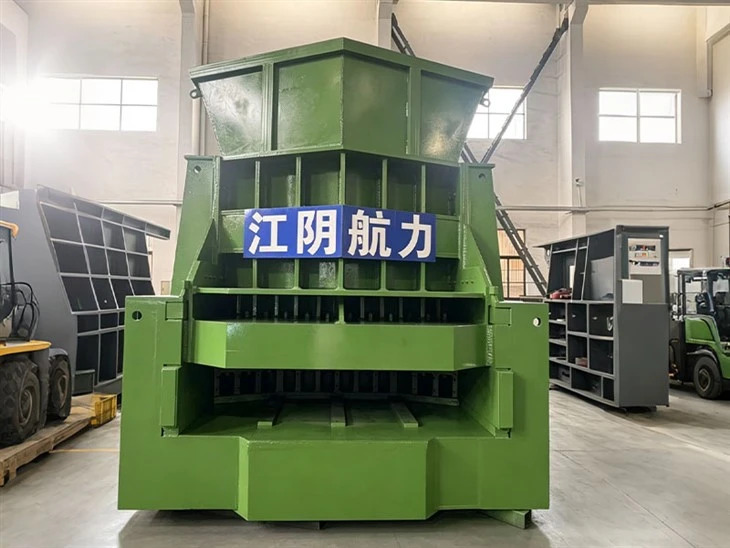
Container Shear Equipment
WUXI, JIANGSU, CHINA, October 22, 2026 /EINPresswire.com/ --
As industrial recycling operations seek more efficient ways to process metal waste, Jiangyin Hangli Technology Co., Ltd. is contributing to the development of hydraulic machinery for scrap handling, metal cutting, and material compaction. Based in Jiangsu Province, China, the company manufactures equipment for industries including steel production, metal smelting, and waste recycling. Its product portfolio includes metal shears, hydraulic balers, and related machinery designed to help businesses manage bulky scrap materials and prepare them for storage, transportation, and further processing.
Metal recycling has become an important part of modern resource management. Scrap steel, discarded metal components, end-of-life vehicle parts, and industrial offcuts can often be processed and returned to manufacturing supply chains. However, these materials vary significantly in size, shape, thickness, and composition. Recycling facilities therefore need equipment capable of cutting, compressing, and handling different types of scrap while maintaining a practical balance between processing capacity, operating costs, and workplace safety.
For companies evaluating a Top Metal Shear manufacturer, equipment design is only one part of the purchasing decision. Cutting force, blade configuration, material dimensions, hydraulic performance, loading methods, maintenance access, and available installation space all affect whether a machine is suitable for a particular operation. Jiangyin Hangli Technology Co., Ltd. offers a range of hydraulic processing machinery intended for different scrap preparation requirements, including container shears, gantry shears, alligator shears, and other metal-cutting systems.
Metal shears are used to reduce the dimensions of scrap materials so they can be handled, transported, or processed more efficiently. Depending on the machine design, they may cut steel plates, pipes, structural sections, metal offcuts, and other scrap components. Reducing large or irregular pieces into manageable sizes can help improve material feeding and storage arrangements, while supporting downstream processes such as sorting, melting, and remanufacturing.
Hydraulic systems are widely used in heavy-duty metal processing because they can generate substantial force through controlled fluid pressure. In a hydraulic shear, cylinders drive the cutting mechanism, while the frame and blade assembly must withstand the loads created during operation. The machine's structural strength, hydraulic circuit, blade condition, and control system all contribute to its overall performance. Matching these elements to the intended scrap type is important for consistent operation.
Jiangyin Hangli Technology Co., Ltd. lists several categories of hydraulic shearing equipment in its product range. These include container shears, gantry shears, alligator shears, high-speed hydraulic shears, guillotine shears, and mobile scrap metal shears. Each configuration addresses different material-handling and cutting requirements, allowing recycling operators to compare machine structures according to their workflows.
Container shears are designed to combine material loading and shearing functions within an integrated structure. Depending on the configuration, they can be used to cut various forms of scrap metal, including long sections and bulky metal components. Their layout can be relevant to facilities that need to process substantial volumes of scrap without relying entirely on separate cutting and feeding arrangements. Buyers should assess the chamber dimensions, cutting force, blade length, feeding process, and maintenance requirements before selecting a model.
Gantry shears use a large structural frame and moving cutting mechanism to process scrap material. They can be used in applications involving steel sections, plates, and other metal waste that must be reduced to furnace-ready dimensions. Alligator shears, by contrast, use a hinged cutting mechanism and are often considered for smaller or more localized scrap-cutting tasks. The choice between machine types depends on the material profile, expected throughput, available space, and how scrap is delivered to the cutting area.
For metal recycling facilities, the practical value of a shear is closely connected to the materials being processed. Thin sheet metal and light structural scrap may require different operating conditions from thick steel plates or heavy industrial sections. Feeding irregular pieces can also affect processing speed and operator workload. Before purchasing a machine, operators typically need to define the range of scrap dimensions, material grades, expected daily volume, and target output size.
Hydraulic pressure and cutting force should be evaluated alongside other performance factors. A higher nominal force does not automatically guarantee greater productivity for every material, because actual performance also depends on blade geometry, material strength, feeding arrangements, and operating cycles. Buyers should therefore compare technical specifications in relation to their own scrap streams instead of relying on a single headline figure.
In addition to cutting equipment, Jiangyin Hangli Technology Co., Ltd. manufactures baling machinery that compresses loose scrap into compact packages. Its product portfolio includes the Metal Baler Machine, which is intended for processing metal waste into denser, more manageable bundles. Such machinery can help recycling businesses organize material storage and reduce the space required to transport certain types of scrap.
A Metal Baler Machine typically uses a hydraulic system to apply pressure to scrap within a compression chamber. The material is compressed into a predetermined shape, with the finished bale removed or discharged according to the machine design. The process can make loose or irregular metal waste easier to handle and can improve loading efficiency where compact bales are suitable for the next stage of the recycling chain.
Different scrap streams require different baling arrangements. Steel offcuts, aluminum scrap, copper waste, stainless steel pieces, and other recyclable materials may differ in density, rigidity, and resistance to compression. Baler selection should therefore consider the type of material, the desired bale dimensions, the required compression force, the loading method, and the available handling equipment. These factors help determine whether a particular machine can support the intended production schedule.
Jiangyin Hangli Technology Co., Ltd. also offers Waste Baler solutions for businesses handling recyclable and other waste materials. Depending on the machine type, balers can be configured for materials such as scrap metal, waste paper, and plastic. Compressing these materials can help reduce their volume, improve storage organization, and simplify movement between collection, sorting, and recycling stages.
For metal recycling operators, the use of balers can complement shearing operations. A shear reduces scrap dimensions, while a baler compresses suitable material into compact packages. In a facility that uses both processes, the workflow may involve sorting and cutting oversized scrap before compressing selected materials for storage or shipment. The exact sequence depends on the material type and the requirements of downstream processors.
Integrating cutting and baling equipment can also influence plant layout. Operators need to consider how incoming scrap reaches the processing area, where cut material is stored, how baled material is discharged, and whether cranes, forklifts, conveyors, or other handling equipment are required. Safe access for operators and maintenance staff is equally important. A well-planned arrangement can reduce unnecessary movement and help make more effective use of the available floor space.
The hydraulic system is a central component in both shears and balers. Pumps, motors, cylinders, valves, filters, and oil-cooling arrangements must operate together to deliver the intended pressure and motion. Hydraulic oil condition, filtration, seal integrity, and operating temperature can influence reliability over time. Regular inspection and maintenance help identify wear or leakage before these issues develop into more serious interruptions.
Mechanical components also require ongoing attention. Cutting blades are exposed to repeated impact and abrasive conditions, while baler chambers and compression components experience substantial loads during operation. Inspection of blade edges, fasteners, structural parts, cylinders, and hydraulic connections can help operators identify potential problems. Following the manufacturer's operating instructions and maintenance schedule is important for preserving machine performance and supporting safe use.
Jiangyin Hangli Technology Co., Ltd. states that it has passed ISO 9001 quality management system certification and CE certification. Its company information describes its products as serving steel mills, metal smelting operations, waste metal recycling, waste plastic recycling, waste paper recycling, and other waste-utilization applications. Buyers should confirm the relevant certificates, scope, and technical documentation for the specific equipment model and destination market before placing an order.
Manufacturing and inspection processes are particularly relevant for heavy hydraulic machinery. The frame must withstand the loads associated with cutting or compression, while hydraulic components must be compatible with the required operating pressure and cycle. Assembly quality, welding, machining accuracy, electrical controls, and final equipment testing can all affect reliability. For customers purchasing industrial machinery, reviewing inspection procedures and asking about commissioning support can help clarify how equipment will be prepared for operation.
Customization can also play a role in equipment selection. Recycling facilities differ in their available space, material mix, power supply, loading arrangements, and required processing capacity. A standard machine may suit some applications, while others may require adjustments to the feeding chamber, blade dimensions, discharge method, or hydraulic configuration. Early communication about operating conditions can help determine whether a proposed machine configuration meets the project's needs.
Export logistics are another consideration for buyers sourcing large machinery internationally. Heavy equipment may require specialized loading, packaging, transport planning, and installation arrangements. Buyers should confirm the shipping dimensions, machine weight, foundation requirements, power specifications, installation procedures, and commissioning responsibilities before shipment. Clear documentation can help reduce delays when the equipment reaches its destination.
The recycling machinery market also reflects a growing need for resource efficiency. Processing scrap into manageable forms can support the collection and reuse of recyclable materials, although the environmental impact of any operation depends on factors such as energy consumption, transport distances, process efficiency, and the quality of the recovered material. Equipment selection is therefore best considered as part of a wider recycling system rather than as an isolated purchase.
For businesses planning to upgrade their facilities, the first step is to establish clear operational requirements. These include the material types to be processed, the range of scrap dimensions, the expected daily throughput, the available working area, and the preferred output form. Comparing machine specifications against these requirements can help buyers distinguish between equipment that merely fits the budget and equipment that is appropriate for the actual workload.
Jiangyin Hangli Technology Co., Ltd.'s combination of shearing and baling machinery provides options for businesses that need to cut, compress, and prepare recyclable materials. The Metal Baler Machine and Waste Baler categories complement its broader range of hydraulic processing equipment, while its metal shear products address the cutting stage of scrap preparation. This product range allows customers to explore different equipment types within a single supplier relationship, subject to confirming individual machine specifications and compatibility.
As recycling operations continue to focus on processing efficiency, material handling, and reliable machinery, hydraulic shears and balers remain important equipment categories. Their performance depends on matching machine design to the material, maintaining hydraulic and mechanical components, and organizing the workflow around safe and efficient operation. Manufacturers that provide a range of processing options can support buyers as they plan new facilities or adapt existing production lines.
About Jiangyin Hangli Technology Co., Ltd.
Jiangyin Hangli Technology Co., Ltd. is a China-based manufacturer of hydraulic machinery for metal processing, scrap recycling, and waste handling. Located in Jiangyin, Jiangsu Province, the company produces equipment including metal balers, hydraulic briquetting presses, container shears, gantry shears, alligator shears, high-speed hydraulic shears, guillotine shears, waste paper and plastic balers, and related hydraulic equipment.
The company's product portfolio serves applications across steel mills, metal smelting, scrap metal recycling, waste plastic recycling, waste paper recycling, and other waste-utilization industries. Its published company information states that it has obtained ISO 9001 quality management system certification and CE certification. Customers evaluating equipment can review available product specifications and discuss their material types, processing requirements, and installation conditions with the company before selecting a machine.
For further information about its products, manufacturing capabilities, and available equipment, visit the company's website at [www.hanglirecycling.com]. Through its range of metal shearing and baling machinery, Jiangyin Hangli Technology Co., Ltd. serves businesses seeking equipment for scrap preparation, material compaction, and recycling operations.
Address: No. 11, Louxia Road, Zhouxi Village, Zhouzhuang Town, Jiangyin City, Wuxi City, Jiangsu Province, China
Official Website: https://www.hanglirecycling.com/
Sherry Chen
Jiangyin Hangli Technology Co., Ltd.
sherry@hanglimachinery.com
Legal Disclaimer:
EIN Presswire provides this news content "as is" without warranty of any kind. We do not accept any responsibility or liability for the accuracy, content, images, videos, licenses, completeness, legality, or reliability of the information contained in this article. If you have any complaints or copyright issues related to this article, kindly contact the author above.
