

UBQ Materials releases ISO-compliant Life Cycle Assessment of UBQ™ material, confirming its climate positive impact
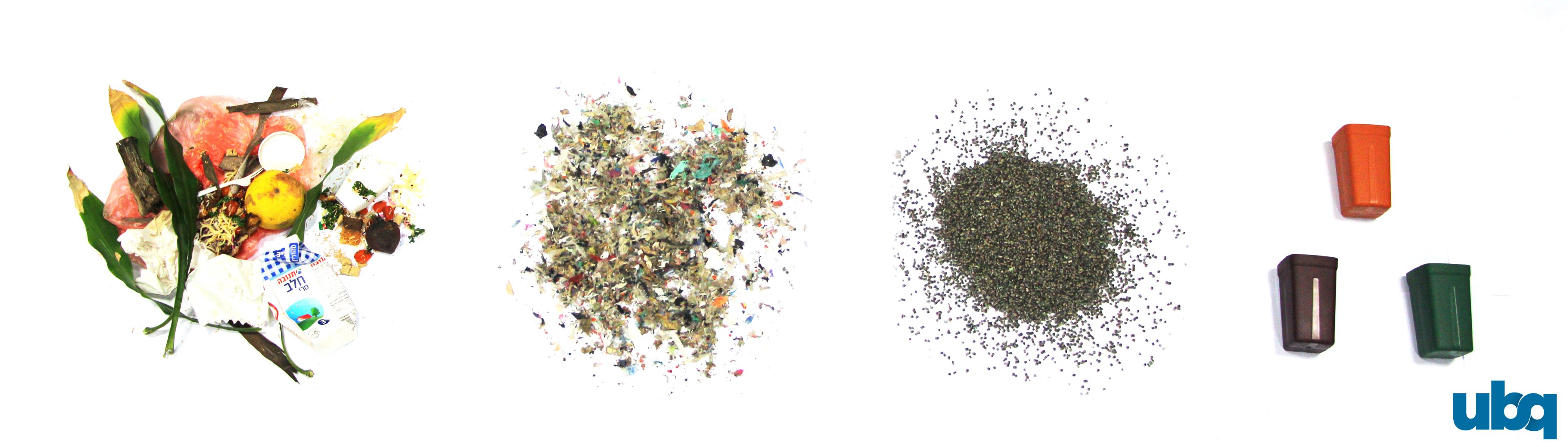
UBQ Materials' advanced conversion technology takes unsorted household waste and transforms it into climate positive products.

UBQ Materials Ltd. has patented the world's first bio-based material made of unsorted household waste.
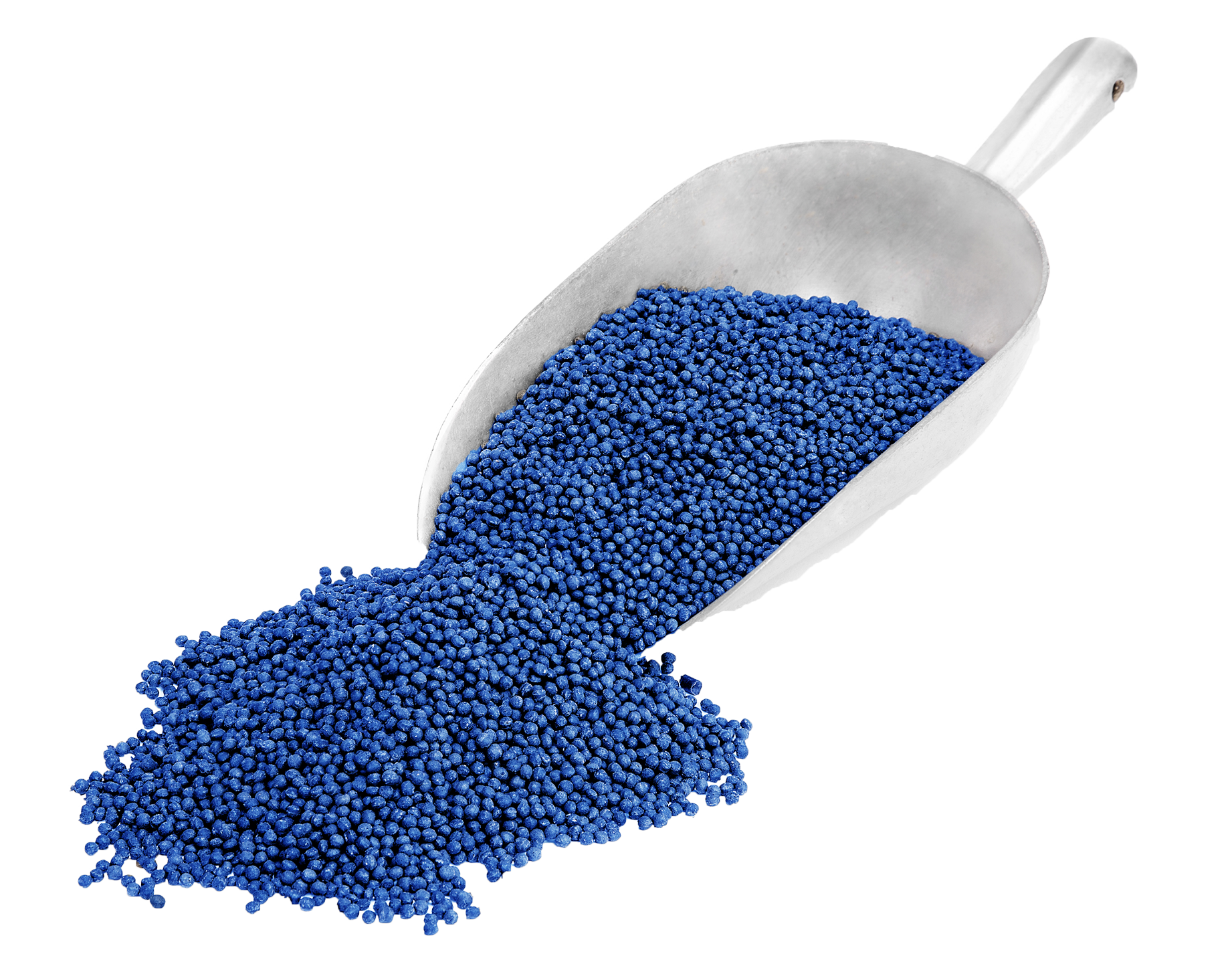
UBQ™ pellets can be seamlessly integrated into existing plastic manufacturing processes.
Reinforcing its role at the forefront of sustainable materials production, UBQ Materials Ltd. announced a full Life Cycle Assessment Report of UBQ™ material.
Reinforcing its role at the forefront of sustainable materials production, Israeli startup UBQ Materials Ltd. has announced a full Life Cycle Assessment Report of Israel-made UBQ™ material, publishing the summary of the report today.
UBQ Materials’ LCA report was carried out by Switzerland-based sustainability consulting firm Quantis and provides a Cradle-to-Gate Life Cycle Impact Assessment for UBQ™ produced by UBQ Materials in Israel. In 2019, Quantis reviewed and verified the LCA of Israel-made UBQ™, ultimately reaching the conclusion that the UBQ process is sustainable to the extent that “...to the best of our knowledge, this positions the UBQ™ material as the most climate positive thermoplastic material in the market today.2
According to UBQ Materials’ VP Sustainability Rachel Bar, “as UBQ Materials grows and matures, so do our sustainability assets. Quantis’ LCA study of our UBQ™ expands on their previous work and yields a sustainability resource that will further empower our clients’ decision making for sustainable development.”
The LCA shows that the environmental impact of UBQ™ at a Global Warming Potential (GWP) of 20 years is -11.69 kg CO2-eq per kg UBQ™. This means that for every 1 kg of UBQ created, almost 12 kg of CO2-eq are prevented from polluting the environment over a 20-year period.
The LCA clearly presents that production of UBQ™ prevents significant Green House Gas landfills where waste would otherwise decompose, releasing methane and other powerful gases into the environment. According to Quantis, "Avoiding landfill methane emissions is an important step in tackling the climate crisis. UBQ provides the missing link for a truly circular value chain by producing useful plastic out of organic waste diverted from landfill.” As such, Quantis has designated UBQ™ as a “sustainable alternative in terms of climate change when compared to the current baseline treatment of waste in Israel”.
About UBQ Materials
UBQ Materials has patented the world’s first bio-based material made of unsorted household waste. By diverting residual municipal solid waste from landfills and transforming it into UBQ™, UBQ Materials has successfully created a sustainable, cost-competitive substitute for oil-based plastics.
In November 2019, UBQ embarked on a partnership with Arcos Dorados, the world's largest franchisee of McDonald’s, to produce climate-positive products for McDonald’s restaurants and supply chains throughout Latin America. In early 2020, UBQ announced its collaboration with Daimler, manufacturer of Mercedes-Benz, for the implementation of UBQ™ in car parts. Additional partnerships with leading brands in the logistics, beverage, FMCG and fashion industries, as well as top retail chains, are currently underway and expected to debut in the near future.
UBQ Materials' conversion technology enables the transition from conventional linear consumption models to a circular economy, where landfills are considered obsolete, and waste is no longer wasted.
A summary of the LCA for UBQ™ is available HERE.
Rachel Barr
VP Sustainability, UBQ Materials
+972 52-303-3099
email us here
Visit us on social media:
Facebook
Twitter
LinkedIn
An overview of UBQ's process and Life Cycle Assessment
Legal Disclaimer:
EIN Presswire provides this news content "as is" without warranty of any kind. We do not accept any responsibility or liability for the accuracy, content, images, videos, licenses, completeness, legality, or reliability of the information contained in this article. If you have any complaints or copyright issues related to this article, kindly contact the author above.
